
Low-flying aircraft spraying a fine mist over fields has long been a common sight in aerial crop management. Developed in the early 20th century, so-called “crop dusting” ultimately became a staple of modern agriculture, allowing farmers to treat huge areas with unmatched speed. For decades, fixed-wing aircraft and helicopters were essential tools for the large-scale application of fertilizers, pesticides and other treatments. However, this established method is now facing a paradigm shift from a much smaller, nimbler technology: agricultural drones. The emergence of these unmanned aerial systems (UAS) represents a significant shift in precision agriculture, according to Global Aerospace. Understanding the comparison of agricultural drones vs. aircraft is crucial as it touches on the core issues of modern farming: cost, accessibility and sustainability.
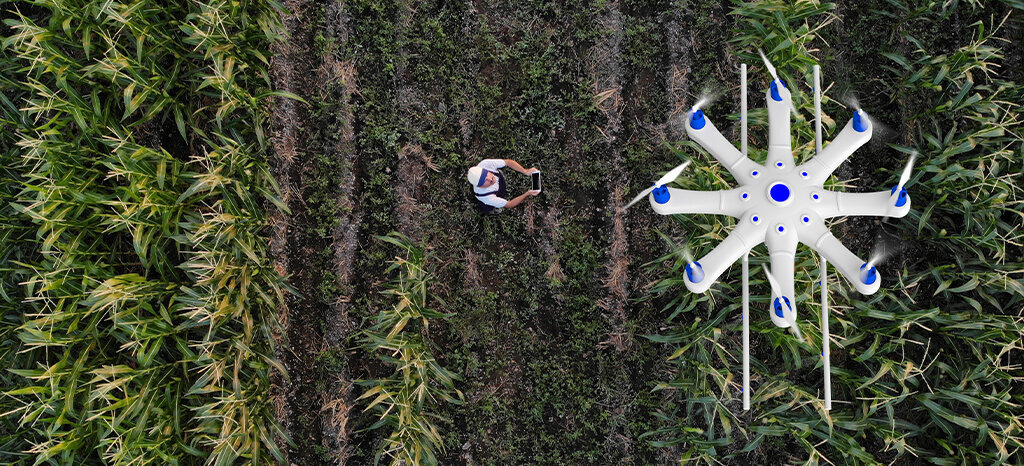
Drones vs. Piloted Aircraft for Crop Management: Comparing the Technology
At the heart of the drone revolution is advanced GPS precision farming. Precision agriculture drones leverage high-precision GPS and mapping software to execute flights with pinpoint accuracy. Before takeoff, operators can map out exact spray zones, enabling the drone to fly just a few feet above the crop canopy and apply treatments only where needed.
This granular approach minimizes waste and prevents overspray on non-target areas like waterways. Traditional aircraft, while capable of covering huge areas quickly, often rely on broader spray patterns that lack this level of precision.
Additionally, drones are frequently dual-purpose tools. Beyond their agricultural spraying technology, they can be equipped with advanced sensors and cameras for data collection. For example, multispectral sensors can capture data to create Normalized Difference Vegetation Index (NDVI) maps, which visually represent crop health.
This allows farmers to monitor stress, identify pest infestations and assess soil conditions, creating a comprehensive picture of the farm’s status. Manned aircraft are typically limited to the single task of chemical applications.
Efficiency and Coverage as Decision Drivers
When it comes to raw speed and coverage for large-scale operations, traditional aircraft still lead the way. A crop duster can carry hundreds of gallons and treat vast acreages in a single flight.
Drone crop spraying efficiency is lower, as it is limited by battery life and payload capacity. Flight times typically range from 15 to 45 minutes and payload tanks are much smaller. This makes them less suitable for large fields where the sheer endurance and load-carrying ability of manned aircraft is an advantage.
However, for small to medium-sized farms or fields with irregular shapes, obstacles and difficult terrain, drones offer superior maneuverability and efficiency. Drones can also be more easily dispatched to spray during low visibility or in dry conditions with moderate wind speed (3 to 10 mph).
Drone vs. Airplane Crop Spraying: Assessing the Costs
One factor increasing the interest in drone-based chemical application is the diminishing financial barrier to entry, with the cost of drone vs. aircraft spraying offering a distinct advantage. A professional agricultural drone system can be acquired for a fraction of the cost of purchasing or leasing a manned aircraft, which can run into the tens or hundreds of thousands of dollars or more.
Operational costs also differ dramatically. Drones run on rechargeable batteries, eliminating fuel expenses. Maintenance is also simpler and less costly. In addition, the pilot training process is shorter for drone operation, reducing long-term labor costs.
How agricultural drones compare to traditional crop-dusting planes
Drones are more affordable and adaptable, but they come with unique challenges.
| Factor | Traditional Planes | Agricultural Drones |
|---|---|---|
| Cost per Unit | $1M+ | $30K–$50K |
| Terrain Access | Limited on hilly/obstructed fields | High precision in all terrains |
| Chemical Drift | Higher risk | Potentially reduced |
| Pilot Training | Extensive | Moderate, but growing demands |
Source: As the agricultural drone industry takes off, federal regulators struggle to keep up
The Environmental and Safety Impacts of Drones in Sustainable Farming
Another compelling argument for using drones in farming is their reduced environmental footprint. The extreme precision of drone technology, with GPS guidance, can significantly reduce chemical use by preventing overspray and drift.
This targeted application ensures that treatments are confined to the intended crops, minimizing runoff into nearby ecosystems, protecting buffer zones and preventing damage to sensitive neighboring crops. This leads to a safer environment through:
- Reduced risk. Remote operation significantly limits human exposure to potentially harmful chemicals.
- Lower emissions. Battery-powered drones produce zero on-site emissions and are much quieter than conventional aircraft, reducing noise pollution.
- Minimized drift. By flying closer to the crop canopy, drones can apply treatments more accurately, especially in challenging wind conditions.
Regulatory and Practical Challenges
The adoption of agricultural drones for crop management is not without hurdles. In the U.S., operators must adhere to Federal Aviation Administration (FAA) regulations. This includes obtaining a Remote Pilot Certificate for commercial use and often an Agricultural Aircraft Operator Certificate under Part 137 for dispensing chemicals.
Drones are also subject to weight and payload restrictions, which can limit their application on a larger scale. Finally, practical limitations such as adverse weather conditions and difficult terrain can impact the effectiveness and safety of drone operations.
In summer 2025, the Trump Administration released an executive order written to enable routine Beyond Visual Line of Sight (BVLOS) operations in coordination with the FAA. The FAA’s proposed Part 108 regulations, expected to go live in the first half of 2026, are set to transform agricultural drone operations by enabling BVLOS flights without the need for case-by-case waivers. This shift will enable manufacturers to consider designing larger spray drones with greater payload capacity and longer flight times, ideal for covering expansive farmland.
Multiple drones operated simultaneously by a single certified pilot have the potential to significantly improve efficiency and reduce labor costs. As the industry adapts to these changes, drone makers and service providers are likely to invest in BVLOS-ready fleets and technologies, positioning themselves to capitalize on the expanded opportunities in precision agriculture.
Aerial Crop Management: Case Studies and Real-World Applications
Across the agricultural landscape, a hybrid approach to aerial crop management is emerging. Large commercial farms continue to rely on manned aircraft for blanketing extensive fields where efficiency is a top priority. Simultaneously, many of these same farms are adopting drones for specialized tasks.
This includes spot-spraying for isolated weed patches, treating hard-to-reach areas near obstacles or power lines and applying specific nutrients to struggling sections of a field identified through sensor data. This shows a growing recognition of how the capabilities of drones and piloted aircraft as spraying technology platforms complement each other.
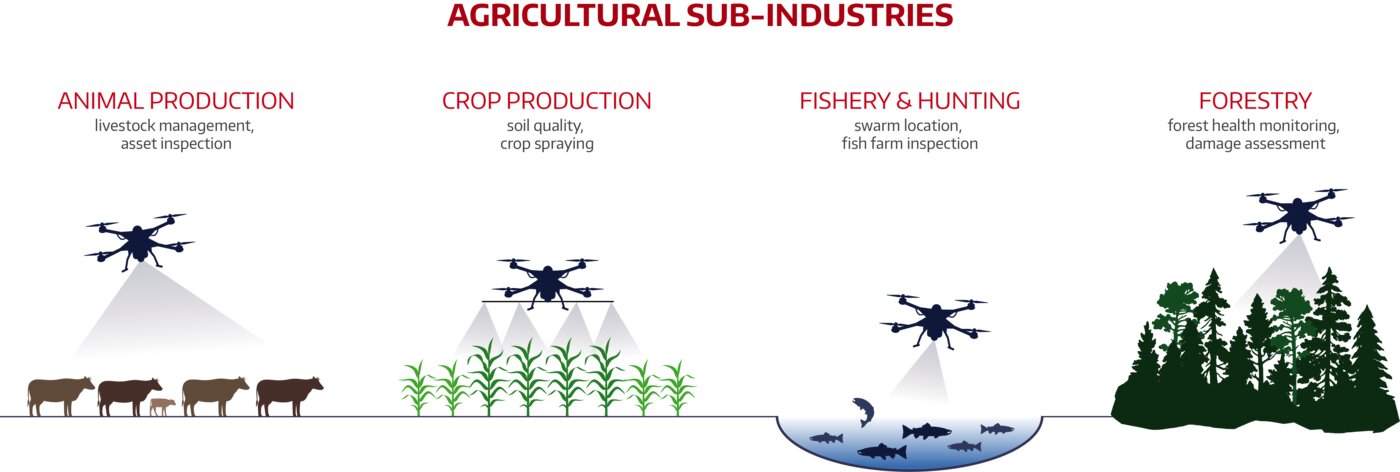
The Future of Aerial Crop Spraying
Innovation in drone technology is advancing at a rapid pace. Future developments are expected to address current limitations with longer-lasting batteries and increased payload capacities. The prospect of fully autonomous drone fleets managed by a single operator could revolutionize farm management.
When integrated with AI-driven farm management systems, these drones will not only apply treatments but also provide real-time data analytics. This enables practices like variable-rate application, where the drone automatically adjusts spray volume based on crop health data, ensuring each plant gets exactly what it needs.
Which Option Is Right for Your Farm?
The choice between drone and traditional aircraft spraying depends entirely on the specific needs and scale of the operation.
Aircraft remain the optimal choice for:
- Large-scale commercial farms with large, uniform fields
- Operations where speed and broad coverage are the highest priorities
- Applications requiring large volumes of product to be dispersed quickly
Agricultural drones are best suited for:
- Small to medium-sized farms or those with varied crops
- Fields with irregular shapes, obstacles or difficult-to-access areas
- Precision spot-spraying and targeted treatments
- Farmers focused on reducing chemical use and environmental impact
Since modern farmers are used to operating technologically advanced ground-based farm equipment, those farmers adding drone technology to their operations, who might be looking for insurance protection, will certainly need to thoroughly understand and demonstrate competency in:
The regulatory environment, FAA Parts:
- 107 – Small Unmanned Aircraft Systems (UAS)
- 108 – UAS Beyond Visual Line of Sight Operations
- 137 – Dispensing Chemicals and Agricultural Products with UAS
The operational environment:
- Primary and recurrent ground and flight training in the specific UAS equipment
Ultimately, the rise of drone technology does not signal the end of traditional aerial application. Instead, it marks the beginning of a more integrated, intelligent and productive approach to farming.
About Global Aerospace
Global Aerospace has a century of experience and powerful passion for providing aviation insurance solutions that protect industry stakeholders and empower the industry to thrive. With financial stability from a pool of the world’s foremost capital, we leverage innovative ideas, advanced technology and a powerful synergy among diverse team members to underwrite and process claims for the many risks our clients face. Headquartered in the UK, we have offices in Canada, France, Germany and throughout the United States. Learn more at https://www.global-aero.com/
Global Aerospace Media Contact
Suzanne Keneally
Vice President, Group Head of Communications
+1 973-490-8588
Source: SubmitMyPR
Release ID: 2411924