
Kick Off the New Year by Building a Safer, Substance-Free Work Environment Through Clear Workplace Policies
Florence, United States - January 19, 2026 / Palmetto Testing and Compliance /
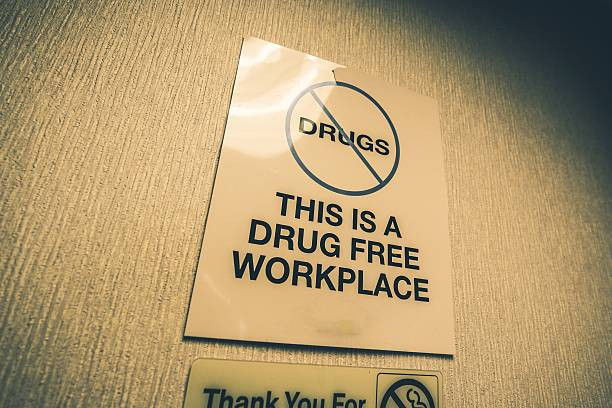
Establishing a drug-free workplace policy is essential for fostering a safe and productive environment. This comprehensive guide will explore the critical components of such a policy, the various employee drug testing methods available, and the legal considerations that must be taken into account. By implementing a robust drug-free workplace policy, organizations can mitigate risks associated with substance abuse, enhance employee well-being, and improve overall workplace safety. This article will cover the essential elements of a drug-free workplace policy, the different testing methods, legal requirements, and the benefits of implementing such a program.
What Are the Essential Components of a Drug-Free Workplace Policy?
A drug-free workplace policy is a formal document that outlines an organization's stance on drug and alcohol use. It serves as a guideline for employees and management, ensuring clarity and consistency in addressing substance abuse issues. The essential components of a drug-free workplace policy include clear policy statements, prohibited conduct, and testing procedures.
How to Define Clear Policy Statements and Prohibited Conduct
Clear policy statements are vital for setting expectations regarding substance use in the workplace. These statements should explicitly define prohibited conduct, such as the use, possession, or distribution of illegal drugs and alcohol during work hours or on company premises. Additionally, it is crucial to communicate the consequences of violating these policies, which may include disciplinary actions or termination. By providing specific examples of prohibited conduct, organizations can help employees understand the boundaries and expectations.
What Testing Procedures Should Be Included in the Policy?
Testing procedures are a critical aspect of a drug-free workplace policy. Organizations should outline the types of drug testing that will be conducted, such as pre-employment, random, post-accident, and reasonable suspicion testing. Each testing method serves a specific purpose and helps maintain a safe work environment. It is essential to communicate the frequency of testing and the process for conducting these tests to ensure transparency and compliance.
Which Employee Drug Testing Methods Support a Strong Workplace Program?
Employee drug testing methods play a significant role in enforcing a drug-free workplace policy. Various testing methods can be employed, each with its unique advantages and applications. Understanding these methods is crucial for organizations looking to implement an effective drug testing program.
What Are the Differences Between Pre-Employment, Random, and Post-Accident Testing?
- Pre-Employment Testing: This method involves testing candidates for drug use before they are hired. It helps organizations ensure that new employees meet the company's drug-free standards from the outset.
- Random Testing: Random testing involves selecting employees for drug testing on an unpredictable basis. This method serves as a deterrent against drug use, as employees are aware that they may be tested at any time.
- Post-Accident Testing: This testing occurs after an employee is involved in a workplace accident. It helps determine if substance use contributed to the incident, ensuring accountability and safety.
The efficacy of random drug testing in preventing workplace injuries and incidents is a topic of continuous discussion and study.
Random Drug Testing: Impact on Workplace Injury Prevention
Drug‐ and alcohol‐related impairment in the workplace has been linked to an increased risk of injury for workers. Randomly testing populations of workers for these substances has become a practice in many jurisdictions, with the intention of reducing the risk of workplace incidents and accidents. Despite the proliferation of random drug and alcohol testing (RDAT), there is currently a lack of consensus about whether it is effective at preventing workplace injury, or improving other non‐injury accident outcomes in the workplace.
- Pre-employment testing is conducted before hiring to ensure new employees are drug-free.
- Random testing takes place unpredictably throughout employment to deter drug use among employees.
- Post-accident testing is performed after a workplace accident to assess possible drug use related to the incident.
How Does Reasonable Suspicion Testing Enhance Policy Enforcement?
Reasonable suspicion testing is conducted when a supervisor has a reasonable belief, based on specific and articulable facts, that an employee is under the influence of drugs or alcohol while at work. This method enhances policy enforcement by allowing organizations to address potential substance abuse issues proactively. It is essential to train supervisors on recognizing signs of impairment and the proper procedures for initiating reasonable suspicion testing. This approach not only protects the safety of all employees but also reinforces the organization's commitment to maintaining a drug-free workplace.
How Do Legal and Regulatory Requirements Affect Drug-Free Workplace Policies?
Legal and regulatory requirements play a crucial role in shaping drug-free workplace policies. Organizations must be aware of federal laws, state regulations, and industry-specific guidelines to ensure compliance and avoid legal repercussions.
What Are the Key Federal Laws and DOT Regulations to Consider?
Several federal laws govern drug testing in the workplace, including the Drug-Free Workplace Act of 1988 and the Americans with Disabilities Act (ADA). The Department of Transportation (DOT) also has specific regulations for safety-sensitive positions, requiring drug and alcohol testing for employees in transportation-related jobs. Organizations must familiarize themselves with these laws to create policies that comply with legal standards while protecting employee rights.
How Do South Carolina State Laws and Marijuana Legalization Impact Policies?
In South Carolina, employers have the right to maintain drug-free workplace policies, even though the state has not legalized recreational marijuana. Medical marijuana is not currently legal in South Carolina, and employers can enforce policies prohibiting drug use during work hours. It is essential for organizations to clearly communicate their stance on marijuana use and ensure that employees understand the implications of the law on workplace policies.
What Are the Benefits of Implementing a Drug-Free Workplace Program?
Implementing a drug-free workplace program offers numerous benefits for organizations and their employees. These advantages extend beyond compliance with legal requirements and contribute to a healthier work environment.
How Does a Drug-Free Policy Improve Workplace Safety and Productivity?
A drug-free workplace policy significantly enhances safety by reducing the risk of accidents and injuries caused by impaired employees. Research indicates that organizations with drug-free policies experience fewer workplace incidents, leading to lower insurance costs and improved employee morale. Additionally, a drug-free environment fosters increased productivity, as employees are more focused and engaged in their work.
What Cost Reductions and Employee Well-Being Benefits Result from the Program?
Implementing a drug-free workplace program can lead to substantial cost reductions for organizations. By minimizing workplace accidents and absenteeism, companies can save on workers' compensation claims and lost productivity. Furthermore, a drug-free environment promotes employee well-being, as individuals feel safer and more supported in their work. This positive atmosphere can lead to higher job satisfaction and retention rates.
- Improved Safety (High Impact): Reduces workplace accidents and injuries, creating a safer environment for employees.
- Increased Productivity (High Impact): Enhances employee focus and engagement, leading to better performance and efficiency.
- Cost Reductions (Medium Impact): Lowers insurance claims and absenteeism, helping control overall business expenses.
By understanding the essential components of a drug-free workplace policy, the various testing methods available, and the legal considerations involved, organizations can effectively implement a program that promotes safety, productivity, and employee well-being. For businesses looking to establish or enhance their drug-free workplace policies, partnering with a reliable screening services provider like Palmetto Testing can offer valuable support in creating and implementing effective drug testing programs tailored to their specific needs.

Contact Information:
Palmetto Testing and Compliance
203 W Elm St Ste A
Florence, SC 29501
United States
Jon Lewis
https://palmettotesting.com


Original Source: https://palmettotesting.com/media-room/#/media-room