
Teenage Angst or Something More? A Guide By Courtenay Monfore PLLC
Charlotte, United States - March 10, 2026 / Courtenay Monfore, PLLC /
Charlotte, NC – Adolescent mental health concerns continue to rise across the United States, with many teens experiencing emotional strain that can go unnoticed or be mistaken for typical growing pains. While adolescence has always involved emotional ups and downs, today’s teens are facing sustained pressure without adequate opportunities for relief.
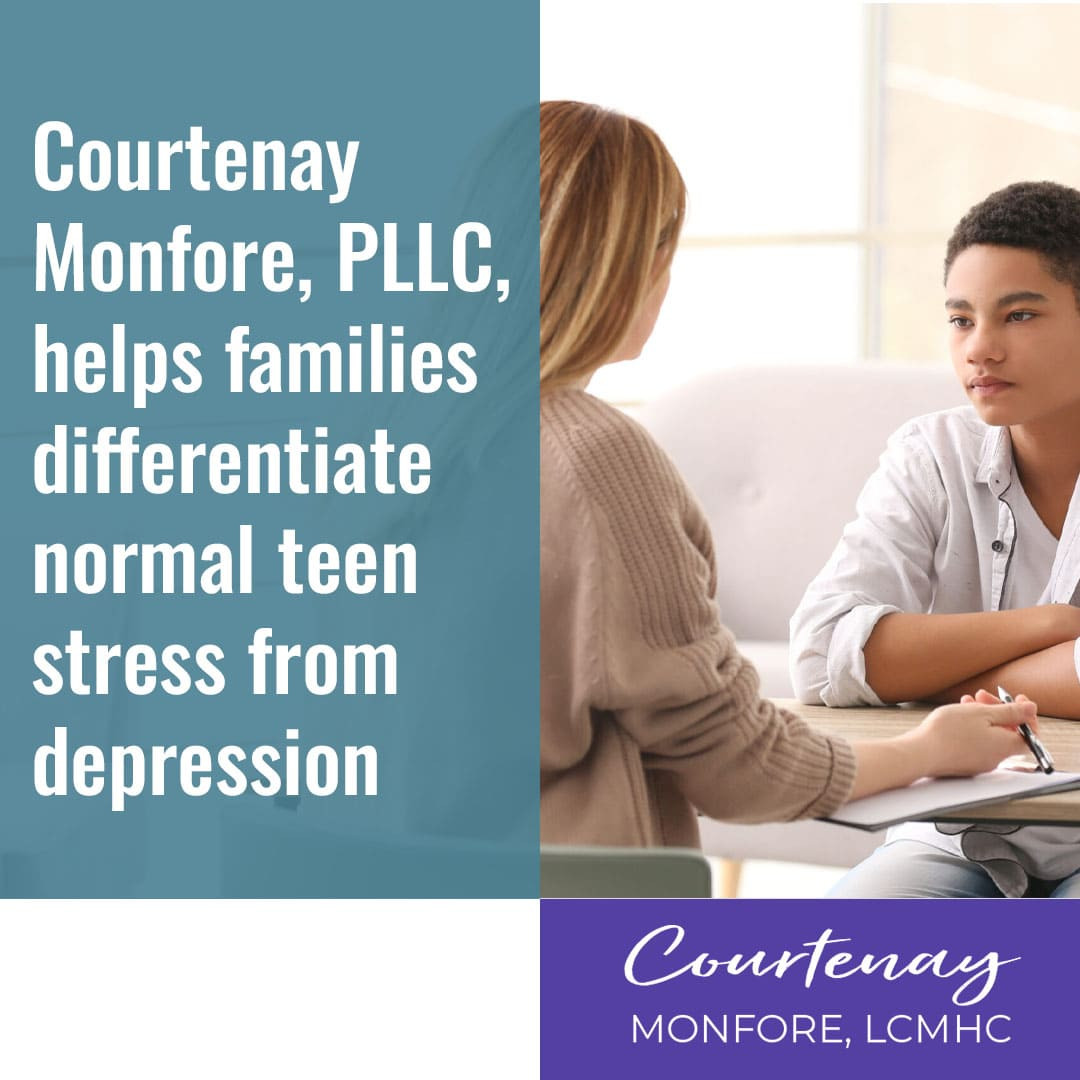
In Charlotte, clinicians are observing increased demand for adolescent mental health services as families seek clearer guidance on how to differentiate typical stress from more serious concerns. Courtenay Monfore, PLLC, is drawing attention to the subtle but significant signs that can indicate teenage depression and the importance of responding early.
According to the National Institute of Mental Health, about one in five U.S. adolescents aged 12–17 experienced a major depressive episode in the past year, highlighting a significant level of depressive symptoms among this age group. This statistic underscores the importance of awareness at both the family and community levels.
How Teenage Depression Often Goes Unrecognized
Teen depression does not always present in obvious or expected ways. Unlike adults, teens may not express distress through visible sadness or verbal disclosure. Instead, emotional pain often shows up through behavioral and relational changes that are easy to misinterpret.

Behavioral Shifts That Are Often Misread
Common warning signs include irritability, withdrawal from family or peers, changes in sleep patterns, and declining academic engagement. These behaviors are frequently interpreted as attitude problems or lack of motivation rather than signs of emotional overload.
As therapists for teenage depression explain, prolonged pressure without relief can leave teens feeling trapped instead of motivated. Over time, this internal strain may lead to emotional shutdown and reluctance to seek help, particularly if teens fear burdening their families or being misunderstood.
The Role of Pressure, Comparison, and Digital Exposure
The emotional landscape of adolescence has shifted dramatically over the past decade. Teens today navigate academic competition, extracurricular demands, and peer relationships while remaining constantly connected through digital platforms.
What the Data Shows About Teen Emotional Health
The Centers for Disease Control and Prevention data from the 2023 Youth Risk Behavior Survey shows that about four in ten (39.7%) U.S. high school students reported persistent feelings of sadness or hopelessness during the past year. These findings reflect the broader emotional strain many adolescents are experiencing.
A teen therapist in Charlotte, NC, may see adolescents who appear outwardly successful yet struggle internally with fear of failure, identity confusion, and emotional exhaustion. Without appropriate support, these pressures can quietly compound over time.
Why Parenting Style Influences Teen Mental Health Outcomes
Family dynamics play a significant role in how teens cope with emotional stress. Research consistently distinguishes between control-based parenting approaches and those that emphasize emotional responsiveness alongside structure.
Authoritarian parenting, often defined by high control and limited emotional attunement, may lead teens to suppress emotions, avoid difficult conversations, or become overly self-reliant. Over time, this may make it harder for teens to feel safe opening up.
In contrast, authoritative parenting aligns with attachment-informed principles that prioritize connection, emotional safety, and clear expectations. A teen counseling therapist may encourage caregivers to remain emotionally present while setting consistent boundaries, supporting both autonomy and guidance.
How Therapeutic Support Creates Long-Term Benefits
Professional counseling offers adolescents a confidential space to explore emotions without fear of judgment or consequences. Therapy is not about eliminating stress, but about helping teens feel capable of navigating it.
Skills That Support Adolescent Development
Through therapy, teens develop emotional regulation, problem-solving skills, and self-awareness that extend beyond the therapy room. These capacities support long-term adolescent development, contributing to healthier relationships, improved decision-making, and greater resilience into adulthood.
Therapists for teens note that early intervention reduces the likelihood that distress becomes entrenched, allowing teens to build adaptive coping skills during a critical developmental period.

Addressing a Growing Community Need in Charlotte
As awareness of teen mental health continues to grow, local access to supportive, relationship-based care remains essential. In Charlotte, Courtenay Monfore, PLLC, provides trauma-informed teen counseling services that support teens and families navigating emotional challenges.
The practice focuses on early recognition, emotional safety, and collaborative family involvement. When teens feel understood rather than controlled, engagement improves and long-term outcomes are stronger.
About Courtenay Monfore, PLLC
Courtenay Monfore, PLLC, is a counseling practice based in Charlotte, NC, offering individual and family therapy services for teens and adults. The practice provides relationship-based, trauma-informed mental health care designed to help clients understand root causes of distress and develop practical tools for emotional regulation, resilience, and long-term well-being, including support from experienced therapists for teenage depression. For more information, contact them at (704) 741-2082 or hello@courtenaymonfore.com.

Contact Information:
Courtenay Monfore, PLLC
6302 Fairview Rd Suite 310
Charlotte, NC 28210
United States
Courtenay Monfore
(704) 741-2082
https://courtenaymonfore.com
Original Source: https://www.courtenaymonfore.com/blog/teenage-angst-or-something-more-a-guide-by-courtenay-monfore-pllc